

Institutionalizing Humanity: How Systems Can Heal What Leadership Alone Cannot

Organizational change that restores trust, repairs harm, and rebuilds capacity.
You Can’t Heal What You Haven’t Systematized
Conscious leaders today understand the importance of empathy.
They invest in coaching and practice their emotional intelligence skills. They read the right books, attend the right retreats, practice vulnerability, and model it for their teams.
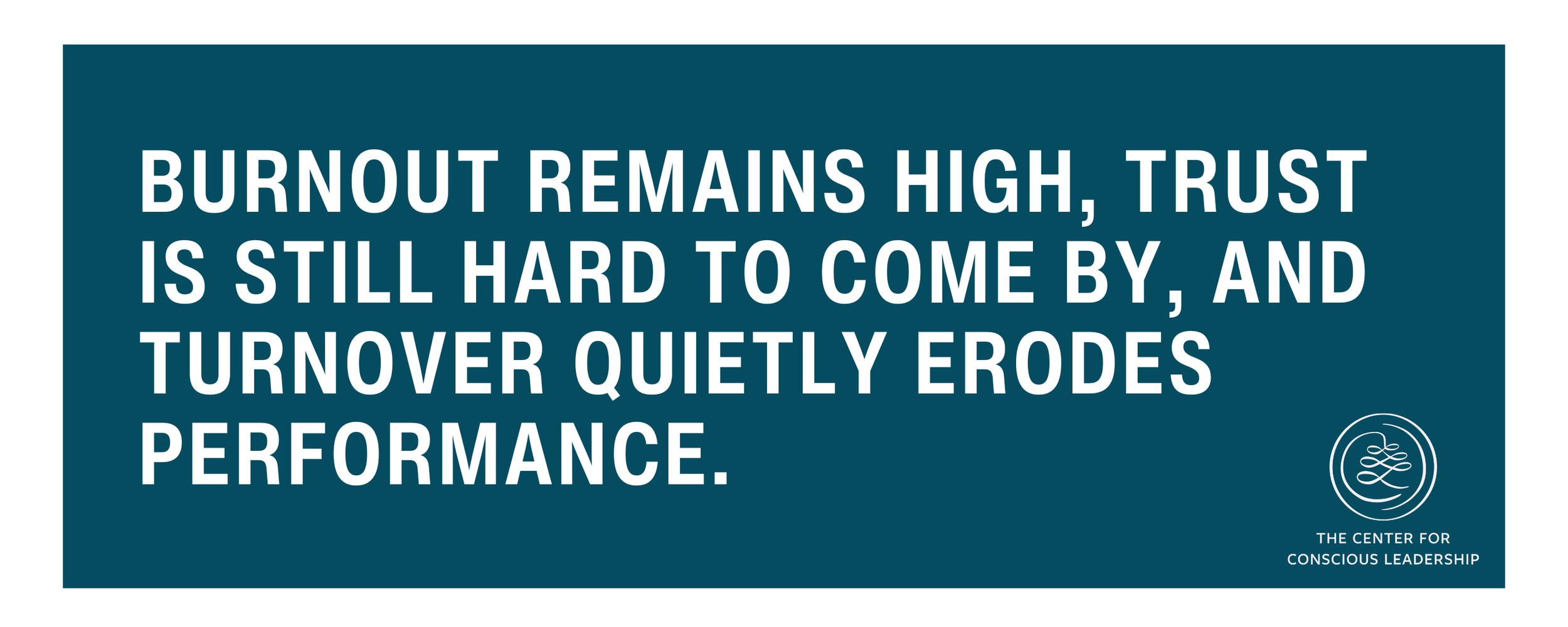
Burnout remains high, trust is still hard to come by, and turnover quietly erodes performance.
Empathetic leaders have an uphill battle. No matter how kind, self-aware, or intentional a leader is, if the organization’s systems are built on urgency, control, and fear, people will still experience harm. A kind leader can make a difference for a season, but when the system rewards speed, compliance, and silence rather than reflection, thoughtfulness, and collaboration, “good intentions” are a surface-level bandage over a much larger wound.
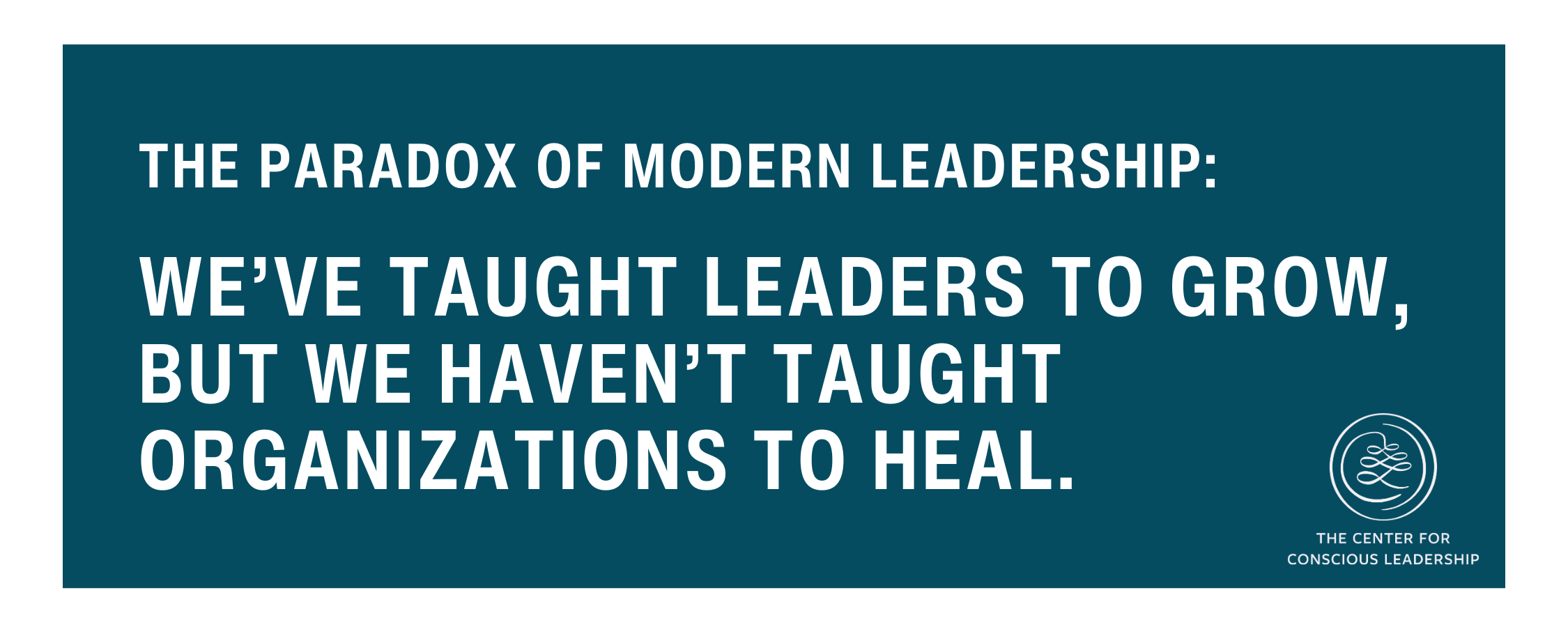
This is the paradox of modern leadership: we’ve taught leaders to grow, but we haven’t taught organizations to heal.
“Being human” has been positioned as a personal trait rather than an institutional design principle. We make assumptions about what would feel humane and go after it as hard as we can, resulting in organizational cultures that perform kindness rather than practice it. Empathy lives in our values statements but not in pay structures, decision-making, or feedback norms. In short, we’re not putting our money where our mouth is.
To create real, lasting change, we have to make compassion systemic. We must shift from hoping good people will fix broken systems to designing systems that protect and empower good people.
When Systems Encode Trauma
Organizational trauma doesn’t always announce itself through crisis and chaos. Often, it hides in plain sight. It lives in the policies that punish mistakes, the deadlines that demand self-sacrifice, the meetings that silence dissent, and the cultures that equate urgency with importance.
These are the structural scars of unhealed organizations, the record of damage done when we don’t question and challenge the status quo.
Every organization carries its own emotional history. Mergers that never reconciled identities, layoffs that left remaining employees rattled, founders whose attitudes caused ripple effects of urgency and hypervigilance. Each event leaves a residue that, over time, becomes infrastructure—embedded in how decisions are made, who gets heard, and what is considered “normal.”
Leaders often inherit this architecture from the leaders before them. They walk into rooms already shaped by past harm and unknowingly reinforce it by following established rules and trying to fit into the preexisting culture.
The result is a workplace that looks calm on the surface but feels tense underneath—a culture where unheard complaints and grievances bubble just underneath the veneer of politeness. Without intervention, trauma becomes company policy.
If we want to interrupt this cycle, we have to move beyond surface-level fixes. Healing individual people isn’t enough. We must heal our systems, too.
From Personal Empathy → Systemic Repair
Institutionalizing Humanity means embedding care, dignity, and trust into the operational DNA of an organization—not as a sentiment, but as a structure.
Empathy at the leadership level is essential, but empathy alone cannot counterbalance systems designed for control. Healing begins when care is operationalized—when safety, dignity, and agency are built into the way work gets done.
This is the shift from personal empathy to systemic repair.
A trauma-informed organization doesn’t rely on exceptional leaders to make humane choices; it designs the conditions so that humane choices are the norm. It builds coherence between values and operations—between what it says it believes and how it behaves, even under pressure.
Trust isn’t restored through a single conversation. It’s rebuilt through repeated experiences of fairness, safety, and responsiveness—through embedded practices, not performative gestures.
Institutionalizing humanity is not a soft strategy. It’s a strategic one. Because organizations that are structurally safe think more clearly, collaborate more effectively, and innovate more consistently. Healing systems are high-performing systems.
How to Begin: Three Frameworks for Organizational Healing
Organizational healing isn’t abstract. It’s practical, measurable, and designable. Below are three frameworks that can guide leaders in embedding humanity into their systems.
1. Indicators of Workplace Trauma
A diagnostic lens for identifying unhealed pain.
Organizational trauma often manifests through three categories of symptoms:
Relational Symptoms: avoidance, siloed communication, fear of feedback.
Structural Symptoms: urgency culture, invisible power, punishment loops.
Emotional Symptoms: apathy, cynicism, chronic niceness, low trust.
These indicators reveal where the system itself may be producing distress. They point to where repair is needed—not just coaching or communication training, but structural redesign.
2. Conditions for Collective Healing
Principles that rehumanize the workplace.
Healing doesn’t happen in one-on-one conversations alone. It happens when the environment supports regulation, connection, and repair.
Design safety by default. Psychological safety should be baked into processes—not dependent on personality.
Focus on repair, not just resolution. When conflict occurs, build routines that emphasize reconnection and shared learning.
Treat healing as a system function. Embed reflection into team rhythms so repair becomes part of how you operate, not a crisis response.
A healthy organization acts like a nervous system—it notices stress early, processes it together, and restores balance before burnout becomes breakdown.
3. Protective Policies at Work
Operationalize humanity through institutional commitments.
Policies shape culture more powerfully than intentions. If your policies demand constant availability, reward output over wellbeing, or allow retaliation for dissent, no amount of empathy training will fix that.
Protective policies make dignity and trust non-negotiable. Examples include:
Restorative feedback loops that prioritize learning over punishment.
Trauma-informed decision protocols that consider human impact alongside metrics.
Flexibility over surveillance, giving employees agency in how they manage their time and energy.
These policies transform care from a feeling into a standard. They make psychological safety an organizational responsibility—not an individual act of courage.
(Optional ongoing framework: CLEAR AAR—a reflective process that reviews not just what happened, but how people were impacted, aligning Conditions, Leadership Moves, Effects, Alignment, and Repair.)
Make the System the Healer
The question for leaders is no longer, “How can I be more empathetic?” It’s “How can I make empathy systemic?”
Every decision, policy, and precedent either institutionalizes humanity—or undermines it.
So ask yourself:
What am I institutionalizing right now—intentionally or not?
Who needs to be at the table to help change it?
What systems could we redesign so that people don’t have to carry the weight of culture alone?
Because leadership, at its highest form, is not about carrying everyone’s pain—it’s about designing environments where pain doesn’t have to accumulate in the first place.
When organizations embed care into how they function, healing stops being reactive and becomes regenerative, instinctual. When we institutionalize humanity, we move beyond heroic leaders and toward healing systems. We align operations with compassion and make the system itself a healing force.
If you’re ready to make humanity part of your systems and not just your vision, book a call with us or join our trauma-informed leadership program. At the Center for Conscious Leadership, we take visionary leaders who want better for their teams and give them the tools to make it a reality.
